

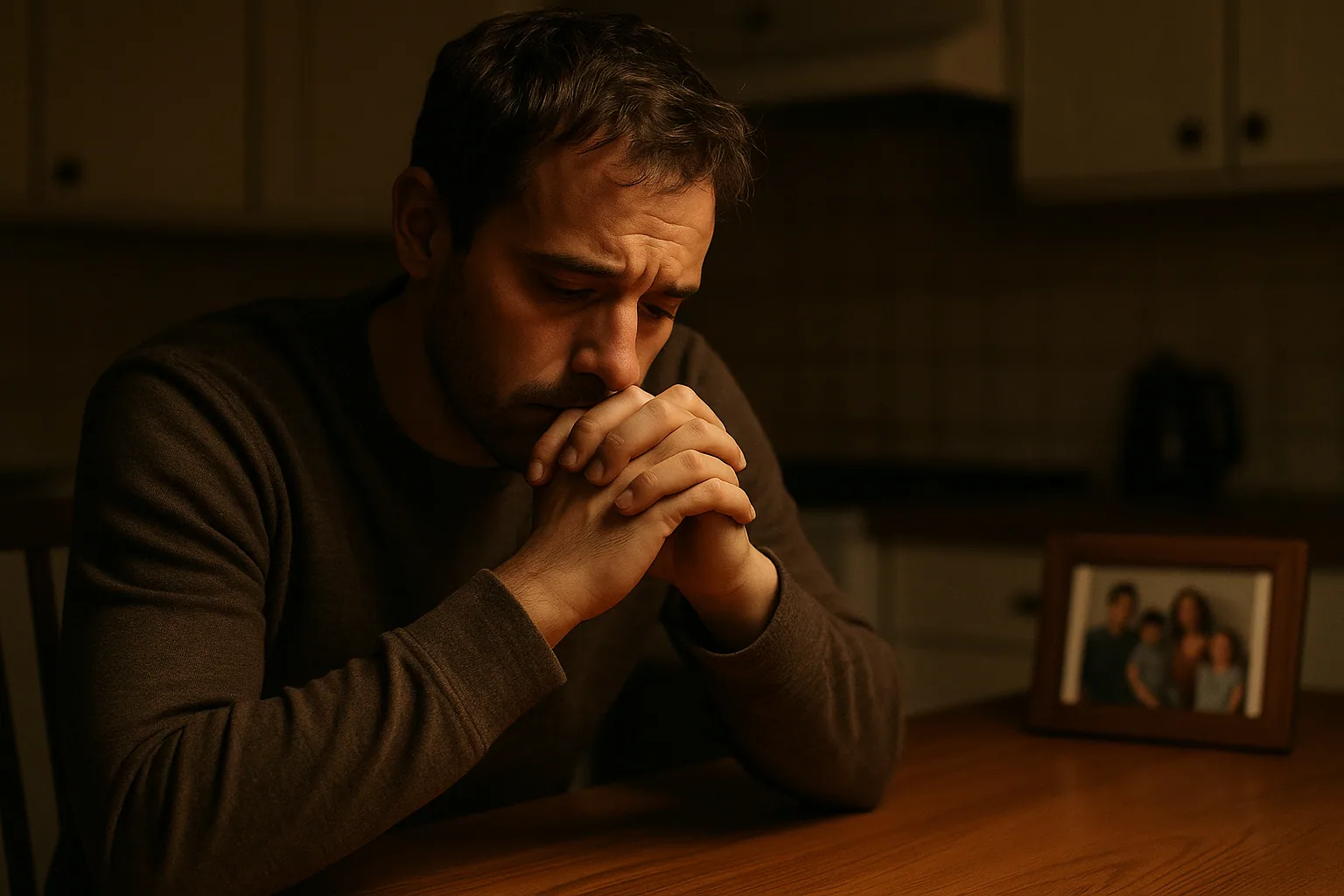
Watching someone you love struggle with addiction is one of the most painful experiences a family can face. You may have had countless conversations, set boundaries that were ignored, or pleaded with them to get help, only to watch things get worse. At some point, a direct and structured intervention may be the most loving thing you can do.
Knowing when that moment has arrived is not always obvious. Addiction distorts perception, both in the person struggling and in the people around them. Families often wait longer than they should, hoping things will improve on their own. This guide is designed to help you recognize the clearest signs that a formal intervention is needed, and to understand what comes next.
What a Formal Intervention Actually Is
An intervention is not a confrontation or an ambush. It is a carefully planned, compassionate conversation led by people who love the addicted person and want them to accept help. The concept was developed by Dr. Vern Johnson, an Episcopal priest and recovered alcoholic, who believed it was not necessary for someone to lose everything before getting treatment. He believed a "bottom" could be created by family members and close friends who come together in a unified, structured way to encourage the person to seek treatment.
Jim Welch, founder of Eternal Awakenings, has conducted many successful interventions over more than three decades. The goal is never to shame or punish. It is to interrupt the progression of addiction before it destroys everything.
Behavioral Warning Signs to Watch For
Behavior changes are usually the first visible signs that addiction has taken hold. If your loved one is displaying several of the following patterns, a formal intervention may be necessary:
- Lying about their whereabouts, finances, or substance use
- Stealing money or valuables from family members
- Withdrawing from people they used to be close to
- Losing interest in hobbies, work, school, or relationships
- Becoming hostile or defensive when the topic of drinking or drug use comes up
- Making and breaking repeated promises to stop using
- Showing up to family events under the influence
- Neglecting basic responsibilities like paying bills, showing up to work, or caring for children
None of these signs alone confirms a need for intervention, but a pattern of these behaviors over weeks or months is a serious signal that things are not going to improve without help.
Physical and Emotional Signs That Should Not Be Ignored
Addiction affects the body and mind in visible ways. You may notice your loved one looks different. Weight loss, poor hygiene, trembling hands, or glazed eyes can all point to active substance abuse. They may seem detached one day and agitated the next. Sleep patterns often become erratic, and mood swings can feel impossible to predict.
Emotionally, addiction often brings deep shame, hopelessness, and isolation. The person may express that they feel trapped or that life is not worth living. If they have mentioned thoughts of self-harm or have become increasingly reckless, do not wait. Reach out for professional guidance immediately.
Eternal Awakenings has seen how addiction to substances like heroin, methamphetamine, alcohol, and prescription pills can devastate a person’s mental health alongside their physical health. Healing the mind, body, and spirit together is at the heart of what a Christ-centered recovery program makes possible.
When Previous Attempts at Recovery Have Failed
Many families reach the point of considering intervention after their loved one has already tried to get sober and relapsed. This is more common than people realize. Relapse does not mean that recovery is impossible. It often means that the approach taken the first time did not address the full picture.
Victor M., whose story appears on the Eternal Awakenings website, had ten years of sobriety before a back injury led to a relapse on prescription pain medication. He lost his marriage, his home, and his sense of self before finding lasting recovery through a faith-based program that combined twelve-step principles with a personal relationship with Christ. His story is a reminder that a deeper foundation matters.
If your loved one has been through secular treatment programs without lasting results, a spiritually grounded approach may offer something different. For families watching someone cycle through relapse, a structured intervention can help break that pattern by getting them into a more comprehensive level of care.
How the Family Is Affected and Why That Matters
The negative effects of addiction spread far beyond the person using. Spouses, children, parents, and siblings absorb the chaos in ways that take their own toll. Financial strain, broken trust, fear, and grief become daily realities for the people closest to an addict.
Eternal Awakenings recognizes the family as a central part of the recovery process. Christian Family Counseling is available as part of the program because healing rarely happens in isolation. When families understand how addiction works, how to set healthy boundaries, and how to support recovery without enabling continued use, outcomes improve for everyone.
If you are a parent, spouse, or sibling who has been holding everything together while your loved one falls apart, you deserve support too. An intervention is not just about getting your loved one into treatment. It is the beginning of healing for the whole family.
Steps to Take If You Believe an Intervention Is Needed
If several of the signs above sound familiar, here is how to move forward:
- Stop waiting for things to get worse on their own. Addiction rarely self-corrects.
- Reach out to a professional who has experience guiding families through the intervention process.
- Build a small, trusted group of people who care about your loved one and are willing to participate.
- Choose a treatment program before the intervention so that admission can happen quickly if your loved one agrees.
- Be prepared for resistance. Many people initially refuse help. That does not mean the intervention failed.
- Follow through on the boundaries you establish. Consequences must be real to have meaning.
The earlier an intervention happens, the better the chances of a positive outcome. Waiting for someone to hit an absolute bottom is not always an option. Some bottoms are fatal.
Taking the Next Step
If you are watching a loved one struggle with addiction to alcohol, heroin, methamphetamine, prescription pills, marijuana, or cocaine, you do not have to figure this out alone. Eternal Awakenings offers intervention services along with a faith-based residential program set in a peaceful historic home in Gonzales, Texas. The program draws on Christian principles, twelve-step recovery, group counseling, and access to addiction physicians and psychiatrists to provide real, lasting support. You can reach out to the team at Eternal Awakenings today by calling (830) 263-3269 or emailing eternalawakenings@gmail.com. Help is as close as your phone.